







Search Results for: milk tea stores
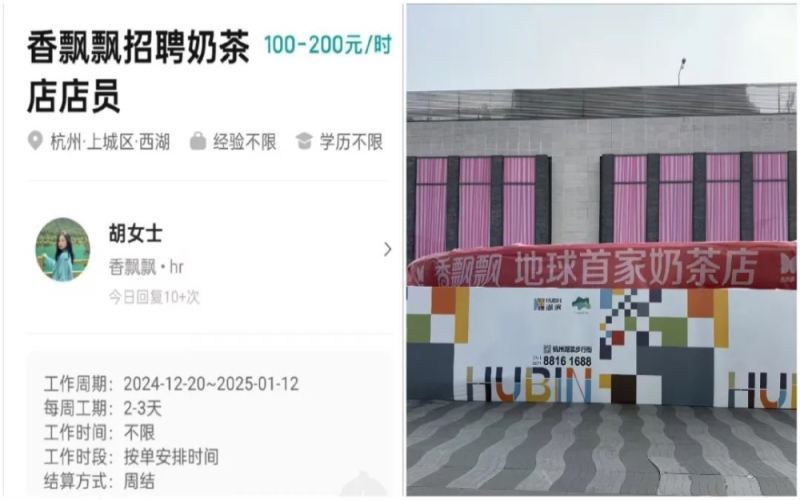
Xiangpiaopiao Opens Its First Global Offline Milk Tea Store in Hangzhou, Freshly Brewed Instant Model Sparks Heated Consumer Discussion
Xiangpiaopiao's first global offline store recently officially opened in Hangzhou Hubin. Milk tea priced at 9 to 12 yuan, combined with a buy-one-get-one-free opening promotion, attracted a large number of consumers to queue up in the cold winter to try it. However, the store's preparation method surprised many people—staff did not shake and make the tea drinks on site, but instead opened instant tea packets, brewed them separately, and then mixed them with blending powder and toppings, which netizens jokingly called "hand-brewed instant milk tea." This model forms a sharp contrast with mainstream freshly made tea beverage brands, and has also triggered widespread discussion about the value of instant products versus freshly made milk tea. Whether Xiangpiaopiao can win over picky milk tea lovers with emotional value remains to be tested by the market. [more…]
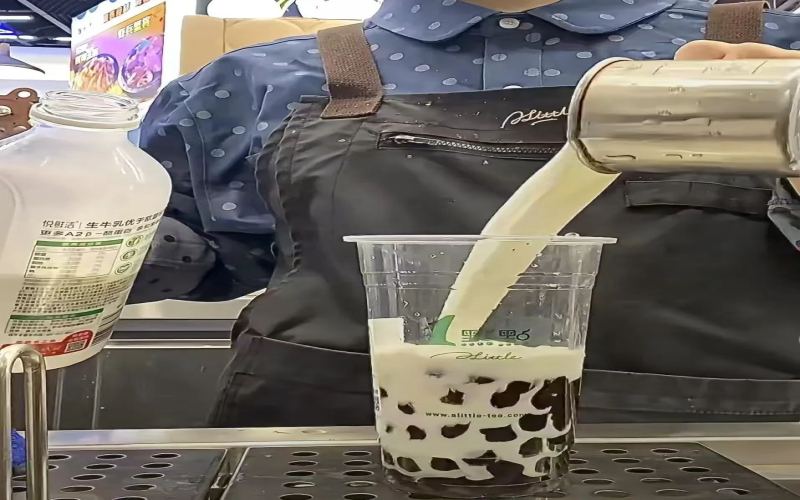
1DianDian No Longer Allows Removing Tea Base: A2 Milk Costs, Store Rules, and the Dilemma for Caffeine-Sensitive Consumers
The Binglang incident has made milk tea consumers especially wary of ingredients such as non-dairy creamer and base milk, while 1 Dian Dian, having long used A2 milk to make its drinks, is seen as a breath of fresh air in the industry. Recently, however, many regular customers have noticed that stores no longer accept "remove the tea base" requests in the notes. Why was this thoughtful service, originally designed to accommodate caffeine-sensitive groups such as pregnant women and children, suddenly discontinued? Behind it lie milk consumption costs, store operating standards, and contractual constraints with suppliers. At the same time, consumers who are used to ordering a tea-base-free milk drink with toppings have also lost a cost-effective option. For those who easily suffer insomnia after drinking tea at night, whether an alternative exists has become their biggest concern. [more…]
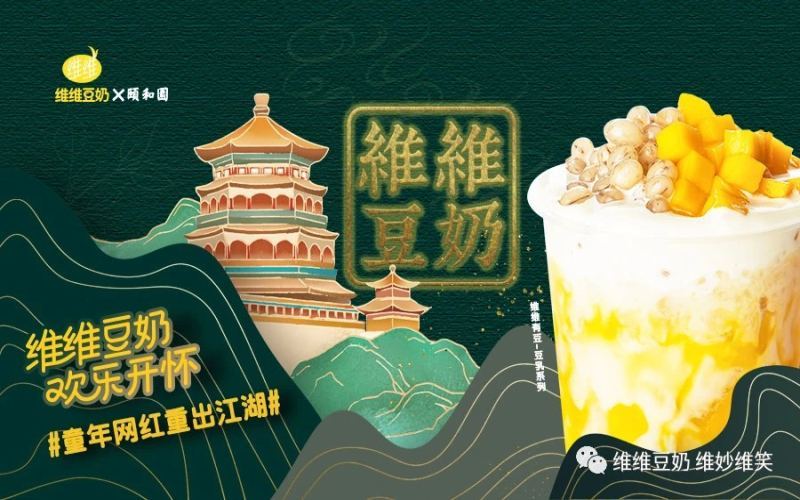
Weiwei Soy Milk Teams Up with the Summer Palace to Enter the Milk Tea Market; Whether Its 10,000-Store Goal Can Be Achieved Remains to Be Tested by the Market
The once-national soy milk brand Weiwei Soy Milk has announced a co-branded flagship store for handmade drinks with the Summer Palace, and plans to expand to tens of thousands of stores nationwide in the future. This cross-industry move has attracted widespread attention at a time when competition in the tea beverage market is white-hot. Can Weiwei Soy Milk break through with the halo of childhood memories and guochao design, or will it repeat the mistakes of Wahaha's milk tea? This article analyzes store design, brand history, market environment, product series, and other aspects, and also focuses on its franchise strategy and future layout, providing a calm observation for coffee and beverage enthusiasts. [more…]
Can snack food giant Juewei break through by entering the tea beverage market with milk tea?
When "the king of braised snacks" Juewei Food quietly started selling milk tea in some stores, an unexpected cross-industry experiment unfolded. For young people, milk tea is a daily necessity, but duck necks are not a daily must-have. Against the backdrop of weak consumption in braised snacks, is Juewei's move a bold innovation to seek new growth points, or a risky adventure with an uncertain future? From promotional banners offering 3 cups for 11.9 yuan to red bean pudding and coconut popping green milk tea at 7 yuan per cup on its mini-program, Juewei is trying to use tea beverages to attract young customers. However, declining revenue, a sharp drop in stock price, a net decrease of nearly 1,000 stores, and consumer complaints about price and quality all make this cross-industry move full of uncertainty. This article will analyze the business logic and challenges behind Juewei's milk tea sales from multiple perspectives, including store visits, market data, and expert opinions. [more…]
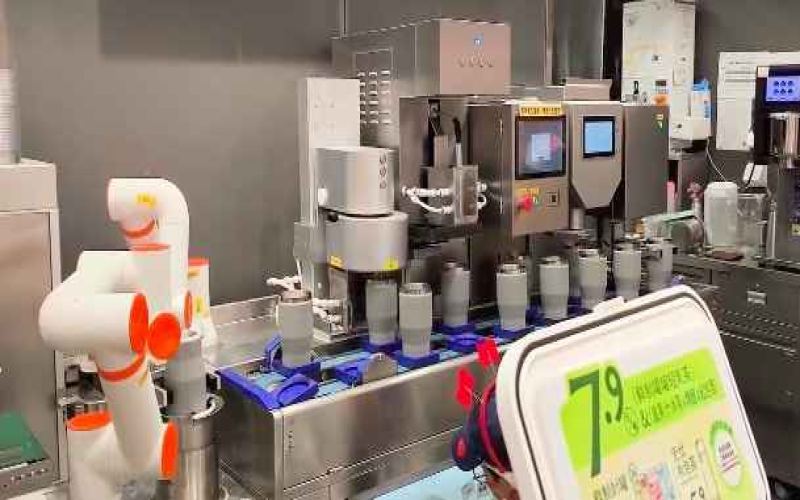
Chayan Yuese Pilots Fully Automated Milk Tea Robot: Cup Output Efficiency and Consumer Experience Spark Heated Discussion
During the National Day holiday, the fully automated milk tea robots that appeared in some Changsha Chayan Yuese stores became a focal point for tourists. Customers noticed that staff only needed to place a labeled cup in the designated position, and the robotic arm could complete most of the preparation process, with only the cream top needing to be added before handover at pickup. This experiment sparked polarized discussion online: supporters believe standardized operations help ensure consistent output and reduce the burden on employees; opponents point out that during peak customer flow, the robot's cup output speed is actually slower than manual work, resulting in longer waits, and equipment cleaning and customization needs still depend on staff handling. Whether automated tea-making can truly integrate into the freshly made tea beverage scenario has become a new topic of discussion in the industry. [more…]
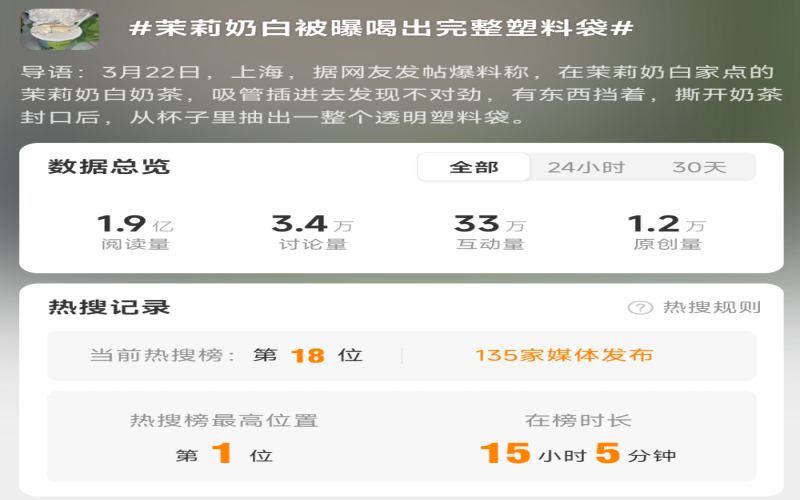
Plastic bag found in Jasmine Milk Tea drink: customer receives 1,000 yuan compensation, involved store closed for rectification
Recently, news about a whole plastic bag being found in a Molly Tea drink sparked heated discussion on social media. On March 22, a consumer in Shanghai pulled a large transparent plastic bag out of the cup while drinking the brand’s beverage, and the bag still had a brand label attached. The incident quickly trended on Weibo, with netizens questioning the tea beverage brand’s food safety management. The consumer later received 1,000 yuan in compensation, and the store involved was unable to provide complete operation footage because its monitoring equipment did not meet requirements. On March 23, Molly Tea officially issued an apology, admitting there had been negligence in its operating procedures and ordering the store to close for rectification. [more…]
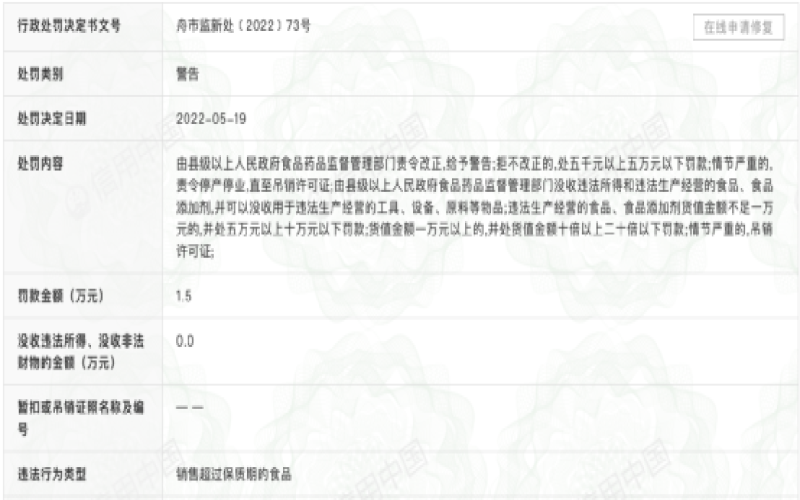
Punished bit by bit! Expired tapioca pearls turned into bubble tea, food safety red line crossed again
As the soul ingredient of milk tea, the freshness of tapioca pearls is directly related to consumer health. Recently, a Yidian Dian store at Zhoushan Ruxin Plaza was fined 15,000 yuan by regulatory authorities for using expired tapioca pearls to make and sell Bubble Milk Tea and other drinks. An investigation showed that the store involved not only used ingredients beyond their shelf life, but also failed to establish purchase inspection records as required. This is not the first time Yidian Dian has been involved in a food safety controversy; previously, a Fuzhou store was reported to have had a bug found in its milk tea. As the peak season for summer beverage consumption arrives, food safety issues have once again sounded the alarm. [more…]
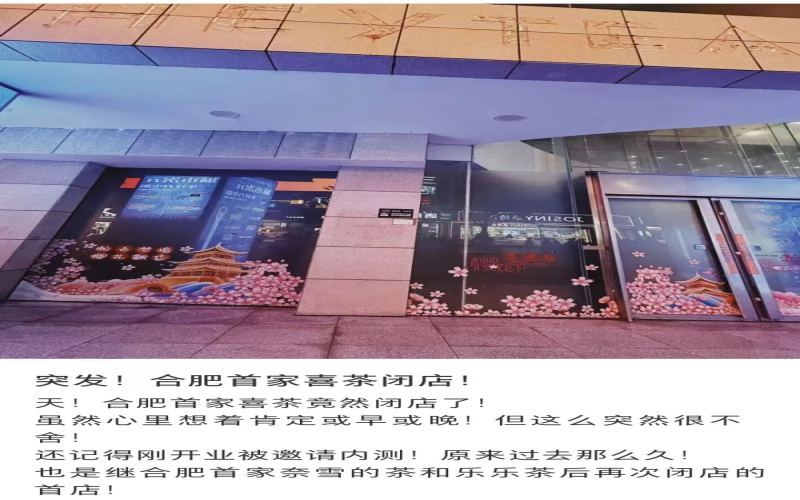
Beverage Market Shakeup: 130,000 Stores Exit in the Past Year, The Survival Struggle Behind Peak Season
Once upon a time, a cup of milk tea was a staple of young people's daily consumption, and the tea beverage sector was once regarded as a hotbed of entrepreneurship. However, the latest data shows that in the past year, about 130,000 milk tea shops across the country quietly exited the market, with an average of more than 350 operators choosing to close their stores every day. Even leading brands such as Heytea and Nayuki's Tea have found it hard to escape store closures for their first outlets in some cities. A peak season that is not peak, cutthroat price competition, and rising franchise risks have plunged this once-booming industry into a deep round of reshuffling. This article, drawing on data from multiple sources including Zhaomen Catering and Jihai Brand Monitoring, analyzes the multiple reasons behind the large-scale contraction of tea beverage stores. [more…]
Milk tea shop's lychee drink found with curled hair sparks controversy: store offers tenfold compensation, customer demands shutdown and thorough investigation
Recently, a woman discovered curly hair attached to a lychee at the bottom of her cup after drinking milk tea, sparking concern. The store involved responded that the lychee tea uses a lidded rather than sealed packaging, the source of the hair is currently unclear, and it is willing to pay ten times compensation and accept investigation, but the individual refused compensation and demanded the store be shut down for rectification. Meanwhile, hygiene problems in the tea beverage industry occur frequently: a Nayuki Tea store was exposed for cockroaches crawling everywhere and rotting fruit, and cockroaches appeared on the counter at Yihetang. Food hygiene and safety concern consumer health, and whether a well-known brand or an ordinary store, production processes should be strictly controlled and safety systems implemented. [more…]
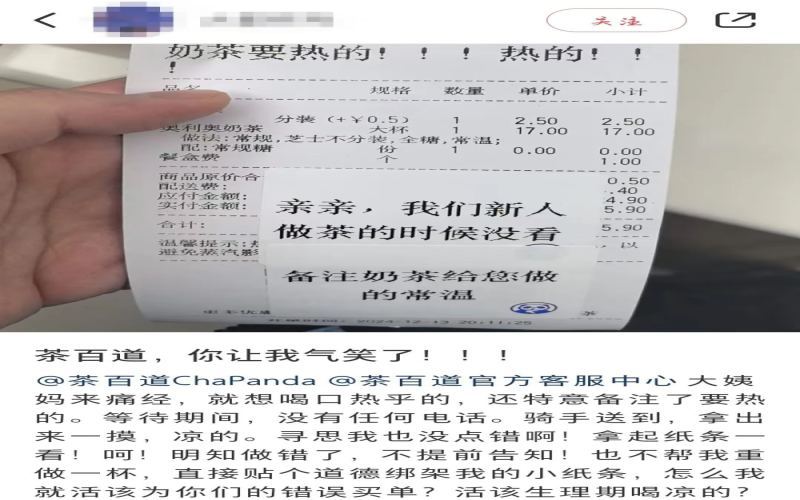
Milk tea ordered as a hot drink but made at room temperature, customer questions why they should pay for the store's mistake
As the weather turns cooler, many consumers specifically note when ordering coffee or milk tea that they want it served hot. However, recently a customer at a ChaPanda store clearly left a note asking for the drink to be heated, yet received a room-temperature beverage. What angered her even more was that the staff had already noticed the mistake when handing out the order, but still packed and sent out the drink, attaching a note to explain. This incident sparked widespread discussion online: why should the customer pay for the store's mistake? Restaurant industry professionals pointed out that when an order is found to be made incorrectly, the store should bear the loss and remake it, rather than forcing the wrong item on the consumer. [more…]
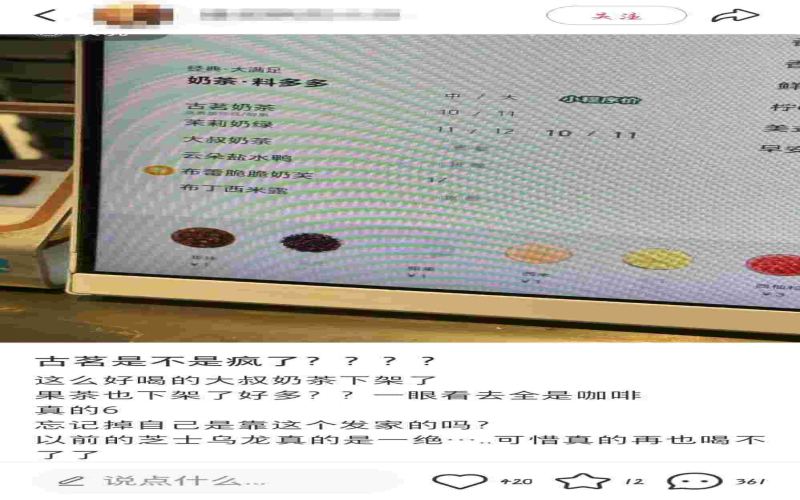
Ancient Tea's signature milk tea reportedly discontinued, sparking widespread discussion; the menu's coffee-ification trend leaves longtime customers feeling estranged.
Recently, some consumers have reported that when ordering at Guming stores, the signature product "Uncle Milk Tea" is no longer available for purchase, while the milk tea category on the menu has noticeably shrunk, replaced by a variety of coffee drinks. This change quickly sparked discussions on social media, with many longtime customers saying that milk tea options are becoming fewer and fewer, and that the brand's focus seems to be shifting toward coffee. Although it was verified that "Uncle Milk Tea" has not been removed from sale nationwide, it is indeed the case that some stores have stopped selling it due to a shortage of ingredients. Consumers have become doubtful about Guming's transformation direction of "turning a milk tea shop into a coffee shop," worrying that classic tea drinks are gradually disappearing. This article sorts out the course of the incident and feedback from netizens, explores how chain tea beverage brands can balance the expectations of their original customer base when expanding into the coffee business, and includes related observations from Front Street Coffee. [more…]
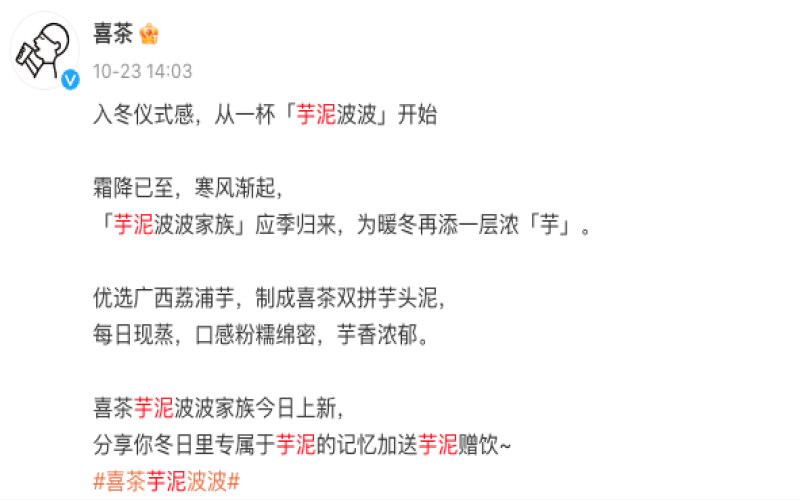
After the return of HEYTEA's Taro Mud Boba series, the recipe changed drastically, leaving both customers and stores confused.
At the turn of autumn and winter, Heytea relaunched its highly anticipated Taro Mud Boba series, made with Lipu taro from Guangxi, attracting many fans to place orders and taste it. However, just days after its return, some customers discovered that the recipe for "Taro Mud Boba Real Milk Tea" had changed without prior notice, with a large amount of sago unexpectedly added to the milk tea, affecting both the taste and the portion size. Store employees revealed that the recipe was urgently adjusted in the early morning, the amount of milk was reduced accordingly, and after-sales issues occurred frequently. This change sparked discussions among consumers about the brand's communication approach and product consistency. [more…]

Celebrity tea brand Thank You Tea's nationwide stores drop to zero: from nearly 70 yuan per cup to failed smart transformation
Another shutdown message has come from the tea beverage sector. Xiexie Tea, invested by well-known host Ma Dong, has closed its last national outlet, the Shenzhen Dalang store, on July 16, completely wiping out its physical stores. This celebrity brand, founded in 2018, once rode on the hype of traffic-driving guests like Ma Dong and the New Pants band, selling a cup of milk tea for nearly 70 yuan, but after the pandemic, its prices slid all the way down to the 12-yuan range, all bakery products were removed, and its pivot to smart milk tea stores showed no improvement. Its official Weibo, WeChat public account, and mini-program have successively stopped updating or been discontinued. The traffic dividends and operational shortcomings of celebrity catering have once again become a focal point of attention in the coffee and tea beverage industry. [more…]
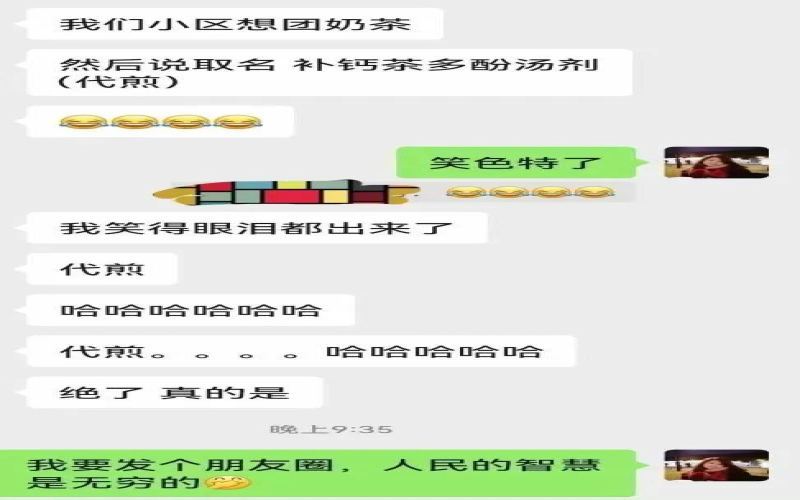
Investigation into the Cross-Province Overnight Delivery of 8,000 Cups of Yidian Dian Milk Tea to Shanghai: The High-Price Resale Chain and Food Safety Risks
During the May Day holiday, "group leaders" in several Shanghai communities organized group buys of a Little Tea, with over 8,000 cups of drinks transported across provinces from out-of-town stores, arriving in consumers' hands overnight or even after nearly 24 hours. The group-buy price was double the official price, and the resellers were accused of profiting about 250,000 yuan. The total bacterial count in these milk teas rose sharply over time at room temperature, and some consumers developed gastroenteritis symptoms after drinking them. The Little Tea brand later issued a statement expressing shock at the high-priced reselling and reminding consumers to choose compliant channels carefully. This article reviews the course of the incident, the food safety data, and responses from all parties, while also offering coffee lovers Front Street Coffee's professional purchasing advice. [more…]
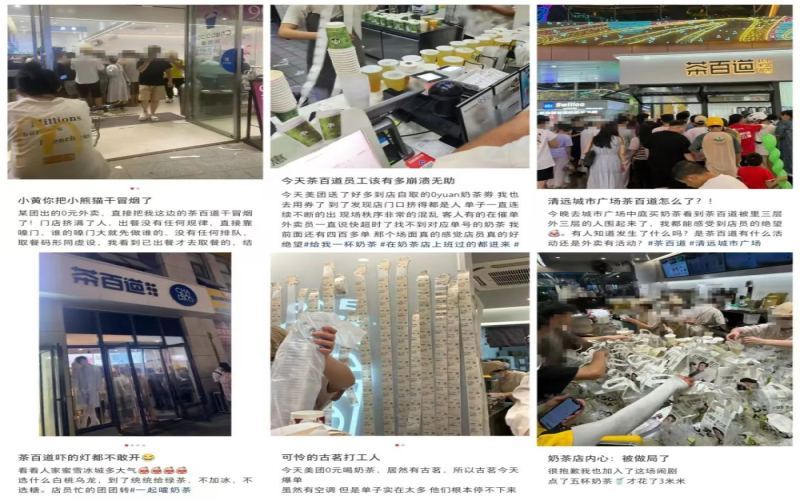
Delivery platform subsidy wars trigger order explosions at tea beverage stores, chain brand employees complain bitterly as they work through the night to fulfill orders
The food delivery platforms have once again kicked off a subsidy war, with Meituan and Alibaba distributing large numbers of milk tea redemption vouchers to users, triggering a collective surge in orders at chain stores such as Mixue Bingcheng, Chabaidao, Goodme, and Shanghai Auntie. On the night of July 5, orders flooded into tea beverage stores in many places like a tidal wave, receipt printers nearly collapsed, and employees kept busy from the evening shift until the early hours of the morning yet still could not clear the backlog of orders. Some stores urgently called back off-duty employees for support, while delivery riders and customers surrounded the stores so tightly that not a drop could get through. While consumers got milk tea for 0 yuan, the workers behind the counter experienced a night comparable to "doomsday." This game between platforms ultimately shifted the pressure onto the frontline tea beverage workers. [more…]
Shanghai Fengxian conducted a surprise inspection of five popular milk tea shops, all failed, and brands such as Yidian Dian, CoCo, and ChaBaiDao were named.
A trending topic about food safety in milk tea shops has sparked widespread concern: The Market Supervision Administration of Fengxian District, Shanghai, conducted surprise inspections of several well-known milk tea stores in Baolong Plaza, and the results showed that all five brands—Yidian Dian, ChaBaiDao, 7FenTian, CoCo, and XiongJi—had problems, involving incomplete health certificates, chaotic raw material management, and unsanitary operating environments. The incident quickly surpassed 500 million views, with netizens exclaiming, "I dare not drink it anymore." At the same time, the article also reviewed food safety cases in recent years involving Burger King, 85°C, IKEA, and others, reminding the food and beverage industry that it must strictly abide by operating standards. [more…]
Can Starbucks Secret Menu Really Replace Bawang Chaji? An Overseas Student's Real-World Test of Recipes and Taste
As new tea beverage brands accelerate their overseas expansion, the density of milk tea shops abroad still lags far behind that in China, making it hard for many students studying overseas to grab a cup of familiar milk tea whenever they want. As a result, some have used existing Starbucks materials to concoct a so-called secret recipe that supposedly comes close to the flavor of Chagee, and it has spread rapidly on social platforms. Can this custom drink truly replicate the taste of Chinese-style milk tea? Different consumers have given wildly different reviews. This article will break down the specific composition of the recipe, the hands-on feedback, and the points of controversy, to help coffee and tea drinkers take a rational view of the so-called "affordable substitute" phenomenon. [more…]
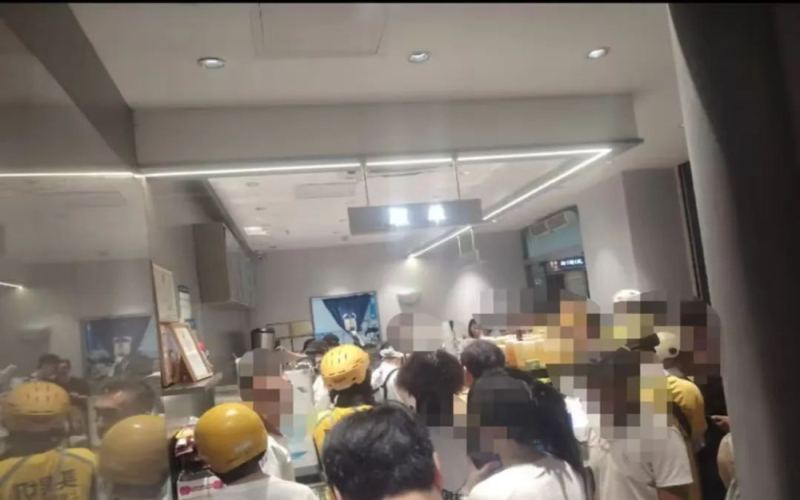
Delivery subsidies spark a wave of free milk tea, why are large numbers of self-pickup drinks at Mixue Bingcheng stores left unclaimed and destroyed?
The recent fierce subsidy war among food delivery platforms has given consumers a large number of free tea drink vouchers, causing chain tea shops to be flooded with orders. However, at stores like Mixue Bingcheng, a phenomenon has emerged where customers place self-pickup orders but never come to collect them, resulting in large quantities of freshly made drinks being discarded. This article sorts out the multiple reasons behind this waste: chaotic pickup scenes, order notes being overlooked, excessively long waiting times, and more. It also introduces the countermeasures stores have taken to reduce losses, while retaining relevant recommendation information for the Front Street brand. [more…]
The opening of Shenzhen's Chayan Yuese drew 30,000 queue numbers and sparked heated discussion; officials clarified these were Wenheyou table numbers and urged rational consumption.
On April 2, the internet-famous tea brand Chayan Yuese opened a pop-up store at Shenzhen Wenheyou. The queue on opening day was unprecedented, with rumors online claiming that the number of waiting tickets exceeded 30,000, and a cup of milk tea was being resold for over 200 yuan. However, Chayan Yuese officially clarified shortly afterward that the so-called 30,000 number was actually the table number at Shenzhen Wenheyou, not the queue number for milk tea. From Changsha to Wuhan and then to Shenzhen, why does Chayan Yuese always trigger such frenzy? This article will reconstruct the whole incident, sort out the brand's development trajectory, and discuss whether a cup of milk tea is worth such a long queue. [more…]
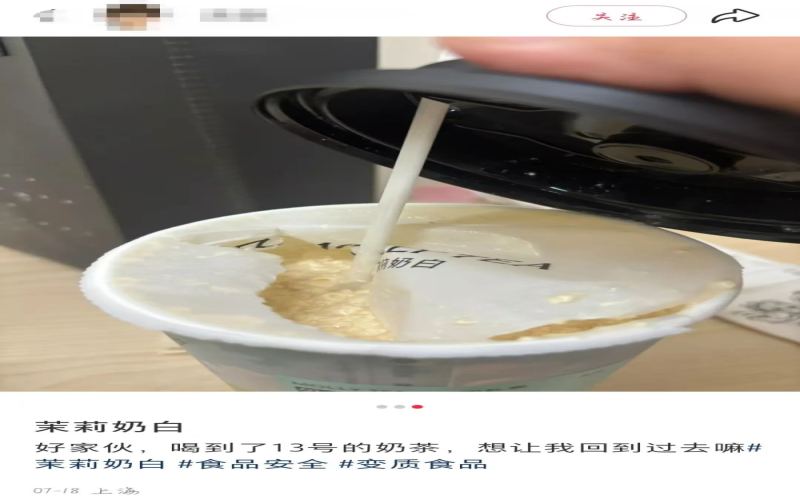
Responsibility dispute sparked by milk tea five days past its expiration date: Molly Tea clarifies that the store is not the management party, and the food delivery stage becomes the focus.
A cup of milk tea labeled as made five days ago has pushed the new-style tea brand Molly Tea White into the eye of public opinion. After placing an order on a delivery platform, a consumer unexpectedly received a cup of drink that had long gone bad. At first, the store admitted it was caused by a backlog of delivery orders and failure to clean up in time, but afterward the brand stepped in to clarify, saying the drink had actually been abandoned by a customer in a public area of the mall, and that management authority belonged to the mall rather than the store. The incident went through multiple reversals—who exactly is responsible? And how should the blind spots in the food delivery chain be filled? This article sorts through the entire course of the incident and appends Front Street Coffee's observations on food safety management in the industry. [more…]